

March is National Nutrition Month, a time dedicated to raising awareness about the powerful role food plays in overall health. While many nutrition trends focus on restriction or calorie counting, functional medicine takes a different approach. Instead of asking “How little can I eat?” we ask, “How can food nourish every system in the body?”
At our clinic, we embrace a food-first approach to health in Ridgeland MS, emphasizing nutrient-dense whole foods that support healing at the root cause level. One of the most effective and exciting ways to do this is through the 30-Day Plant Challenge—a simple but powerful practice that encourages you to eat 30 different plant foods in a week.
Combined with whole-food Paleo-inspired recipes and a focus on diversity in your diet, this challenge can dramatically support digestion, energy levels, metabolism, and long-term wellness. In the spirit of National Nutrition Month, let’s explore how plant diversity works, why it matters for gut health, and how you can incorporate it into a sustainable lifestyle.
Why National Nutrition Month Matters
National Nutrition Month is more than a reminder to eat vegetables—it’s an opportunity to rethink how we nourish our bodies. Modern diets often rely heavily on ultra-processed foods, refined carbohydrates, and repetitive meals. While convenient, this pattern can deprive the body of the diverse nutrients it needs to function optimally.
Functional medicine views nutrition as one of the most powerful tools for healing. Instead of focusing only on symptoms, practitioners look at how diet influences hormones, inflammation, immune function, metabolism, and gut health.
Through integrative health in Ridgeland MS, patients learn that food can either promote inflammation or support healing pathways. When we choose whole foods rich in phytonutrients, fiber, healthy fats, and antioxidants, we begin creating an environment in the body that supports resilience and vitality.
That’s where plant diversity comes in.
What Is the 30-Day Plant Challenge?
The 30-Day Plant Challenge encourages people to eat at least 30 different plant foods each week. This idea gained popularity after research from the American Gut Project showed that individuals who consumed 30 or more different plants weekly had significantly more diverse gut microbiomes than those who ate fewer than 10.
Plant foods include more than just vegetables. They also include:
- Fruits
- Herbs
- Spices
- Nuts
- Seeds
- Legumes
- Whole grains (for those who tolerate them)
Even within Paleo-style eating, which often limits grains and legumes, there are dozens of vegetables, fruits, herbs, nuts, and seeds available to help you reach that goal.
The purpose of the challenge isn’t perfection—it’s variety. Each plant contains unique fibers and phytonutrients that feed beneficial gut bacteria and support overall wellness.
Why Plant Diversity Supports Gut Health
Your gut microbiome is home to trillions of microorganisms that influence digestion, immunity, brain function, metabolism, and inflammation. The diversity of this microbial community matters.
Think of your microbiome like a garden. If you only plant one type of seed, your garden will be limited and fragile. But when you plant a variety of seeds, you create a thriving ecosystem.
Different plants provide different types of fiber and polyphenols, which serve as food for beneficial bacteria. When these microbes break down fiber, they produce compounds called short-chain fatty acids, which help:
- Reduce inflammation
- Strengthen the intestinal barrier
- Support immune function
- Regulate blood sugar
- Promote healthy metabolism
For patients focusing on gut health optimization in Ridgeland MS, increasing plant diversity can be one of the simplest yet most impactful changes.
The Functional Medicine Perspective on Nutrition
Traditional healthcare often treats digestive issues, fatigue, or metabolic concerns with medications that manage symptoms. Functional medicine asks deeper questions:
- What is driving inflammation?
- Are nutrient deficiencies present?
- Is the gut microbiome balanced?
- Are diet and lifestyle supporting healing?
Through functional medicine in Ridgeland MS, our nurse practitioners examine how nutrition influences the body’s interconnected systems. Instead of generic diet advice, patients receive individualized guidance that considers their health history, lab testing, lifestyle, and goals.
Many patients discover that improving gut health through plant diversity and whole foods can positively influence:
- Energy levels
- Immune resilience
- Hormone balance
- Mental clarity
- Digestive comfort
Nutrition becomes a powerful tool for restoring balance.
Why a Paleo-Inspired Approach Works Well
The Paleo approach emphasizes whole, minimally processed foods such as:
- Vegetables
- Fruits
- High-quality proteins
- Healthy fats
- Nuts and seeds
At the same time, it minimizes refined sugars, ultra-processed foods, and inflammatory oils.
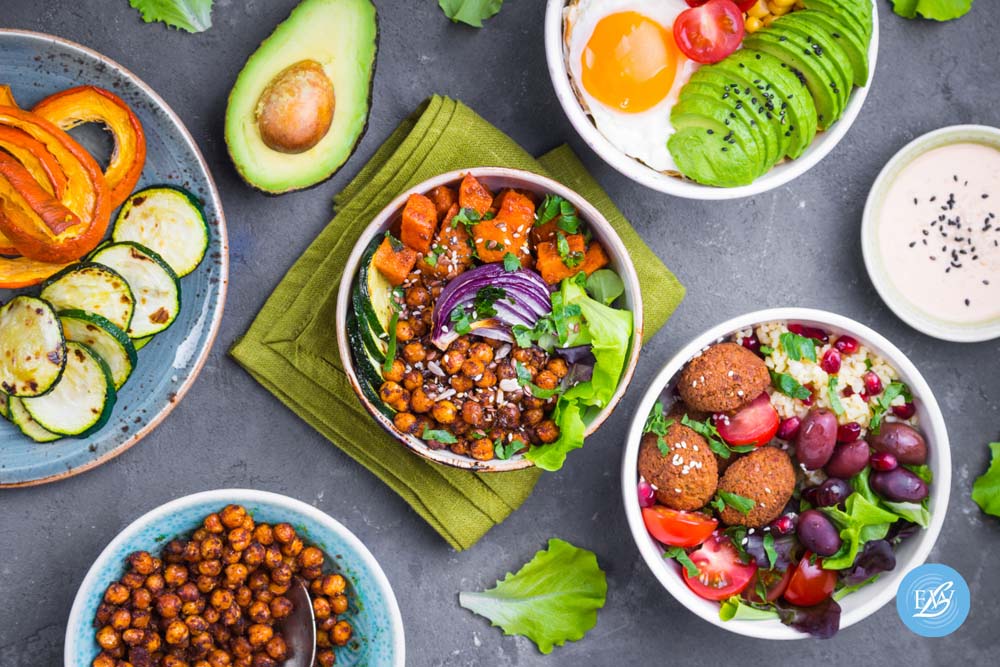
This framework pairs beautifully with the 30-Day Plant Challenge because it encourages creativity with vegetables, herbs, and natural ingredients. Instead of relying on packaged products, meals are built around real food.
For many patients pursuing integrative health in Ridgeland MS, this style of eating supports:
- Stable blood sugar
- Reduced inflammation
- Improved digestion
- Greater nutrient intake
It also naturally increases plant diversity.
Easy Ways to Reach 30 Plants in a Week
Many people assume eating 30 plants sounds difficult, but it’s actually easier than it seems. Small additions throughout the day can quickly add up.
Here are simple strategies to help you reach the goal:
1. Add Herbs and Spices
Herbs and spices count toward your total. Try adding:
- Basil
- Cilantro
- Turmeric
- Ginger
- Garlic
- Rosemary
- Oregano
These ingredients not only increase diversity but also provide powerful anti-inflammatory compounds.
2. Mix Vegetables at Every Meal
Instead of serving just one vegetable, combine several. For example:
- Roasted broccoli, carrots, and Brussels sprouts
- A salad with mixed greens, cucumbers, radishes, and shredded cabbage
- Stir-fries with multiple vegetables
3. Rotate Fruits
Instead of eating the same fruit every day, switch between options like:
- Berries
- Apples
- Pears
- Kiwi
- Pineapple
- Pomegranate
Each fruit contains unique antioxidants.
4. Use Nuts and Seeds
Try adding:
- Almonds
- Walnuts
- Pumpkin seeds
- Sunflower seeds
- Chia seeds
- Flax seeds
These provide healthy fats and fiber that support microbiome diversity.
Paleo Recipes That Boost Plant Diversity
Here are a few simple meal ideas that align with a Paleo-inspired diet while helping you reach your plant diversity goals.
Rainbow Veggie Breakfast Hash
Ingredients
- Sweet potatoes
- Red bell pepper
- Spinach
- Onion
- Garlic
- Avocado
- Fresh parsley
Cook diced sweet potatoes in olive oil until tender. Add peppers, onions, and garlic, then stir in spinach until wilted. Top with avocado slices and fresh parsley.
This single meal includes seven different plant foods.
Mediterranean Paleo Salad
Ingredients
- Mixed greens
- Cherry tomatoes
- Cucumbers
- Kalamata olives
- Red onion
- Fresh basil
- Lemon juice
- Olive oil
Add grilled chicken or salmon for protein. The combination of herbs, vegetables, and healthy fats supports anti-inflammatory nutrition.
Turmeric Roasted Vegetable Bowl
Ingredients
- Cauliflower
- Broccoli
- Carrots
- Zucchini
- Red onion
- Turmeric
- Black pepper
- Olive oil
Roast until tender and serve with tahini or avocado sauce.
This dish provides multiple plant fibers that feed beneficial gut bacteria.
Tracking Your Plant Diversity
One fun aspect of the challenge is tracking how many plants you eat in a week. Many participants are surprised at how quickly the numbers grow once they start paying attention.
For example:
Breakfast smoothie
- Spinach
- Blueberries
- Banana
- Flaxseed
Lunch salad
- Arugula
- Tomatoes
- Cucumbers
- Red cabbage
- Pumpkin seeds
Dinner stir-fry
- Broccoli
- Carrots
- Mushrooms
- Snap peas
Just these meals already include 13 different plant foods in one day.
Tracking helps reinforce awareness and encourages experimentation with new ingredients.
The Role of Personalized Nutrition
While plant diversity is beneficial for most people, every body is unique. Some individuals may have food sensitivities, digestive challenges, or metabolic conditions that require a more tailored approach.
Through personalized health programs in Ridgeland MS, functional medicine practitioners evaluate factors such as:
- Gut microbiome balance
- Inflammation markers
- Hormone levels
- Nutrient deficiencies
- Food sensitivities
This allows patients to follow a nutrition plan that supports their individual biology rather than a one-size-fits-all diet.
For example, someone with digestive issues may need to temporarily modify certain high-fiber foods while healing the gut lining, while another person may benefit from increasing fermented foods.
Personalized care ensures that dietary changes truly support long-term wellness.
Food as Medicine: A Sustainable Lifestyle
One of the biggest misconceptions about healthy eating is that it requires complicated meal plans or extreme restrictions. In reality, sustainable health often comes from simple, consistent habits.
When people adopt a food-first approach to health in Ridgeland MS, they begin viewing meals as an opportunity to nourish their bodies rather than just satisfy hunger.
Small daily choices can create lasting change:
- Adding an extra vegetable to dinner
- Trying a new fruit each week
- Cooking with fresh herbs
- Swapping processed snacks for whole foods
Over time, these habits support improved digestion, stable energy, and greater resilience against chronic disease.
How the 30-Day Plant Challenge Fits Into Long-Term Wellness
The goal of the 30-Day Plant Challenge isn’t simply to check off a list of foods—it’s to shift perspective. Many participants discover new flavors, cooking methods, and ingredients they continue using long after the challenge ends.
More importantly, the challenge reinforces the idea that variety matters.
Eating the same three vegetables every week may still be healthy, but expanding your range of plant foods creates a broader spectrum of nutrients and microbial support.
For those working toward gut health optimization in Ridgeland MS, this diversity can play a meaningful role in improving digestive comfort, immune strength, and metabolic balance.
Practical Tips for Getting Started
If you’re inspired to try the challenge during National Nutrition Month, start with these steps:
- Make a plant list. Write down every plant you eat in a week.
- Try one new vegetable weekly.
- Experiment with global cuisines that use diverse herbs and spices.
- Build meals around vegetables instead of treating them as side dishes.
- Shop seasonally for the freshest and most nutrient-dense produce.
Remember, progress matters more than perfection.
A Functional Medicine Invitation to Reimagine Nutrition
Nutrition isn’t about following the latest trend—it’s about discovering what helps your body thrive. The combination of plant diversity, whole-food Paleo recipes, and personalized guidance can create a powerful foundation for long-term wellness.
During National Nutrition Month, consider using the 30-Day Plant Challenge as an opportunity to reconnect with the joy of nourishing your body with real food.
At our clinic, we support patients through functional medicine in Ridgeland MS with individualized strategies designed to address root causes and promote lasting vitality. Through integrative health in Ridgeland MS, we help individuals understand how nutrition, lifestyle, and mindset work together to support healing.
Whether you’re exploring the benefits of plant diversity, working toward gut health optimization in Ridgeland MS, or seeking guidance through personalized health programs, remember that every meal is an opportunity to support your health journey.
Food truly can be one of the most powerful forms of medicine—and it all begins with the plants on your plate.